If they can’t reach you – you don’t exist: Project visibility begins with an accessible website
Equal opportunities also entail making sure that all stakeholders have access to information about project objectives, encouraging public discussions, and maintaining transparency throughout the process. Many project investors or donors, including the European Union, require that publicly funded projects adhere to equal opportunities guidelines. One of the primary tools for disseminating information to all stakeholders involved in a project remains the website.
To ensure equal opportunities in informing project stakeholders through the website, both content and format are crucial. Display methods, such as the ability to adjust font size and style, are essential for accommodating individuals with visual impairments. Additionally, using color contrasts and pictograms can enhance the understanding of the content presented. Given that the EU, as a donor, emphasizes the importance of equal opportunities, the European Accessibility Act has been in effect since 2019.
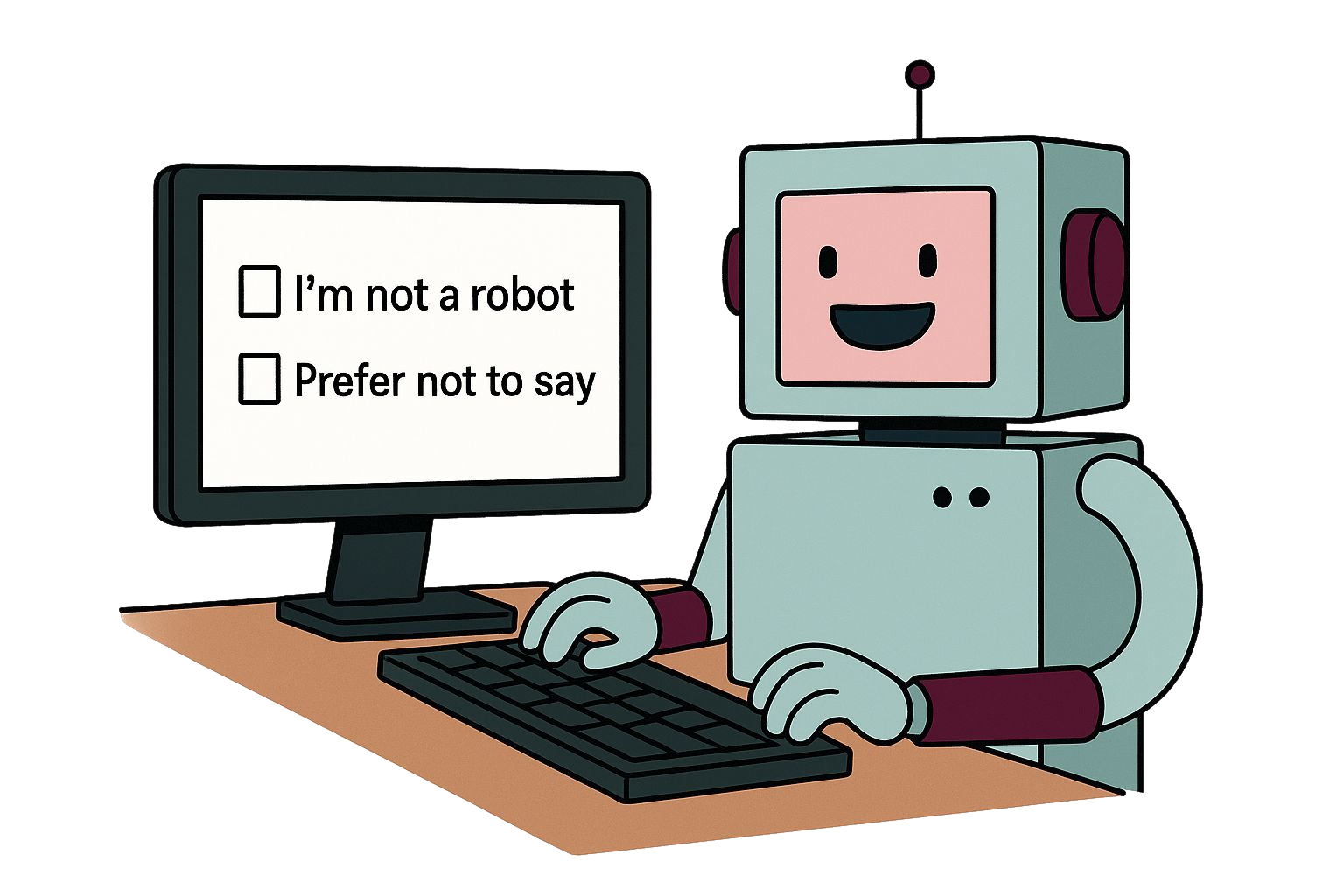
To comply with the European Accessibility Act (EAA), project websites must be accessible to all users, including people with disabilities. This requires that content adhere to the WCAG 2.1 level AA standards. For example, websites must incorporate contrasting colors, allow keyboard navigation, provide text alternatives for images, include subtitles for videos, and maintain a logical structure for titles. It is vital to consider accessibility during the design phase, test the pages using WCAG criteria checking tools, and ensure that the content management system (CMS) supports accessible formats.
When designing your project’s website in the future, it is essential to prioritize equal opportunities and prevent discrimination. Not only will this enhance your project’s visibility and outreach, but it will also add value by promoting social inclusion and transparency.
0 Comments